The Art of Shape Without Structure
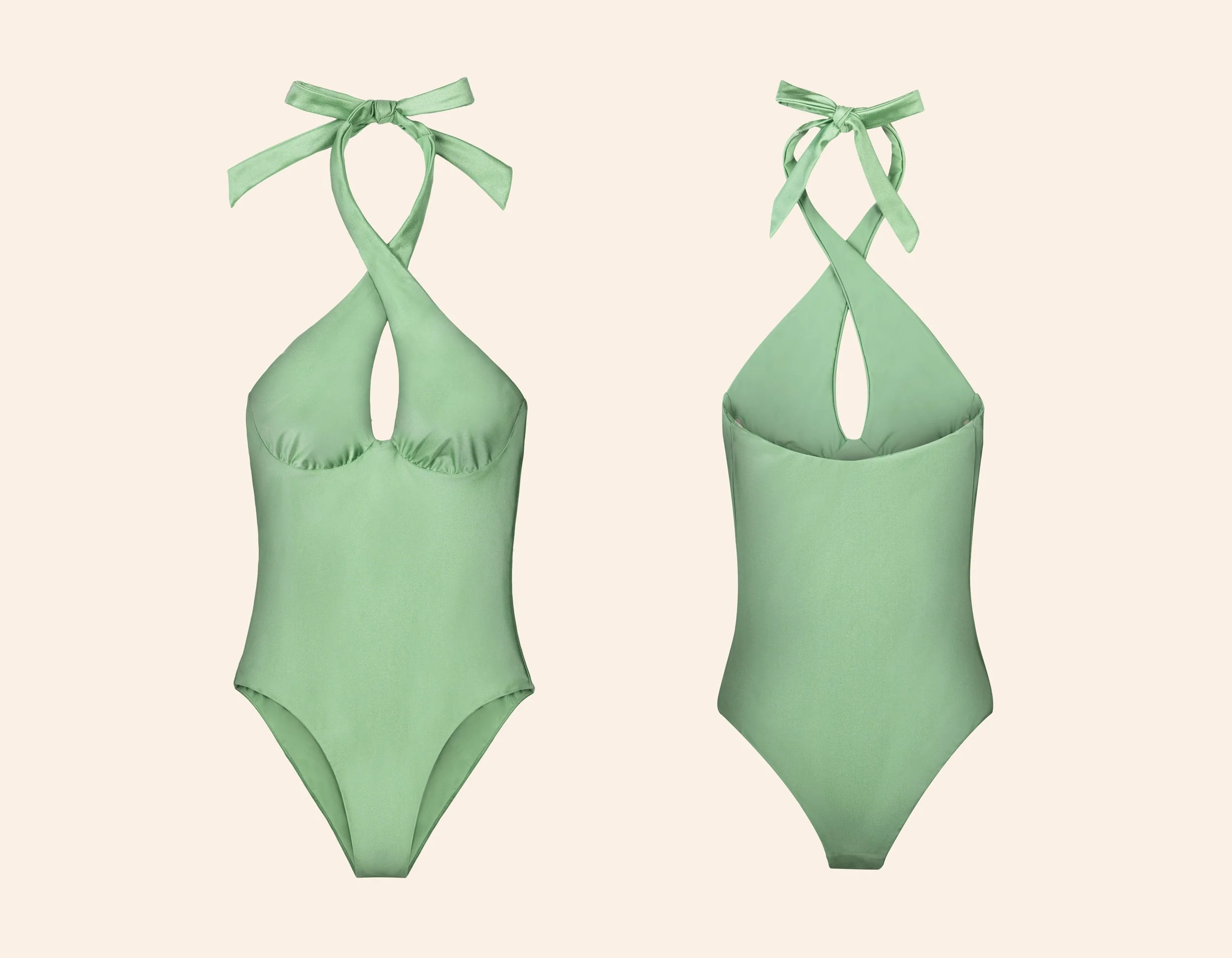
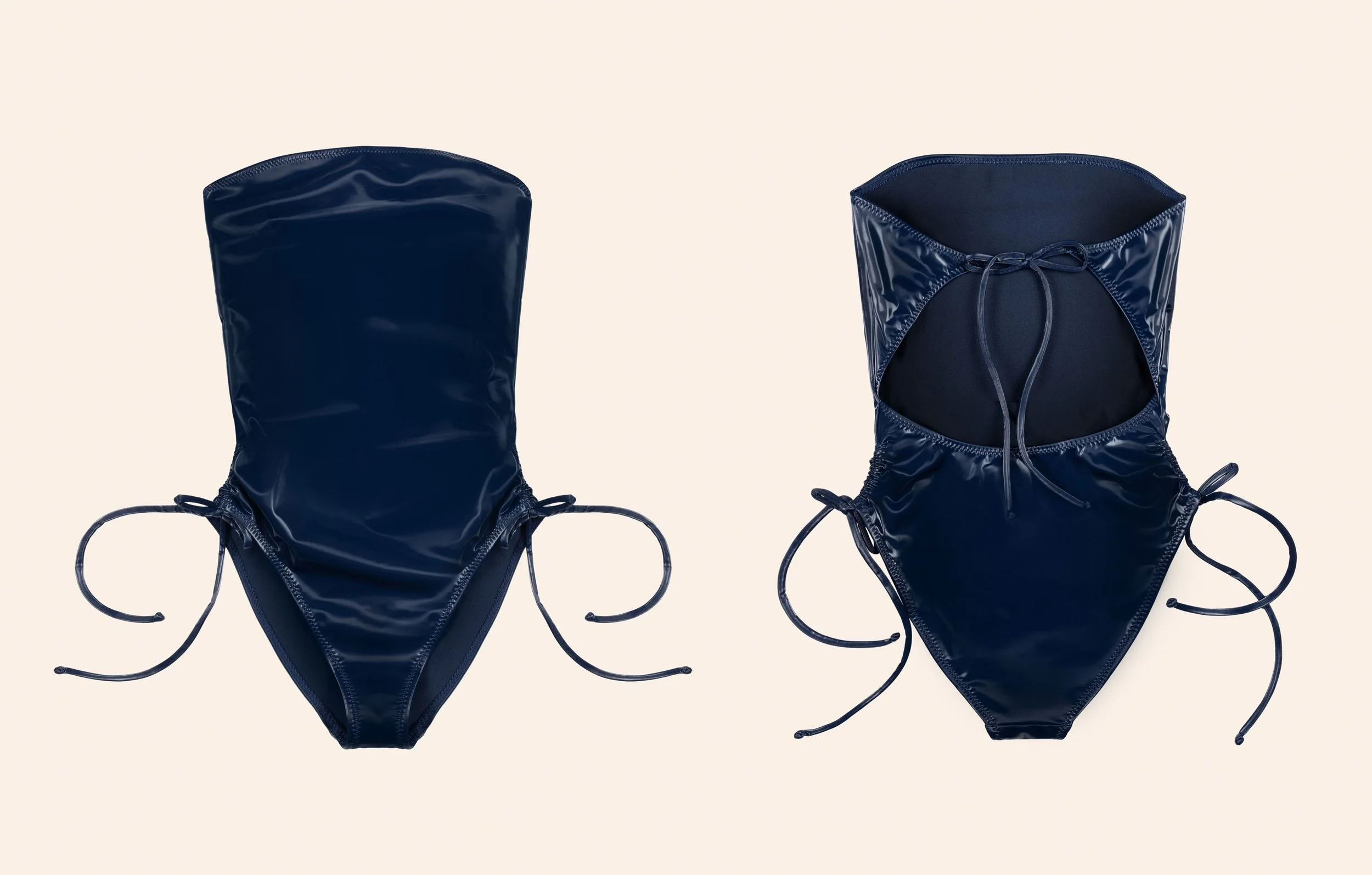
Some days in the studio look simple on paper. Swimwear flats are one of those assignments that sound easy — lay the garment down, light it cleanly, take the shot, move on. But once the pieces come out of the bag and hit the table, it quickly becomes clear how much work goes into making something designed for the human body exist convincingly without one.
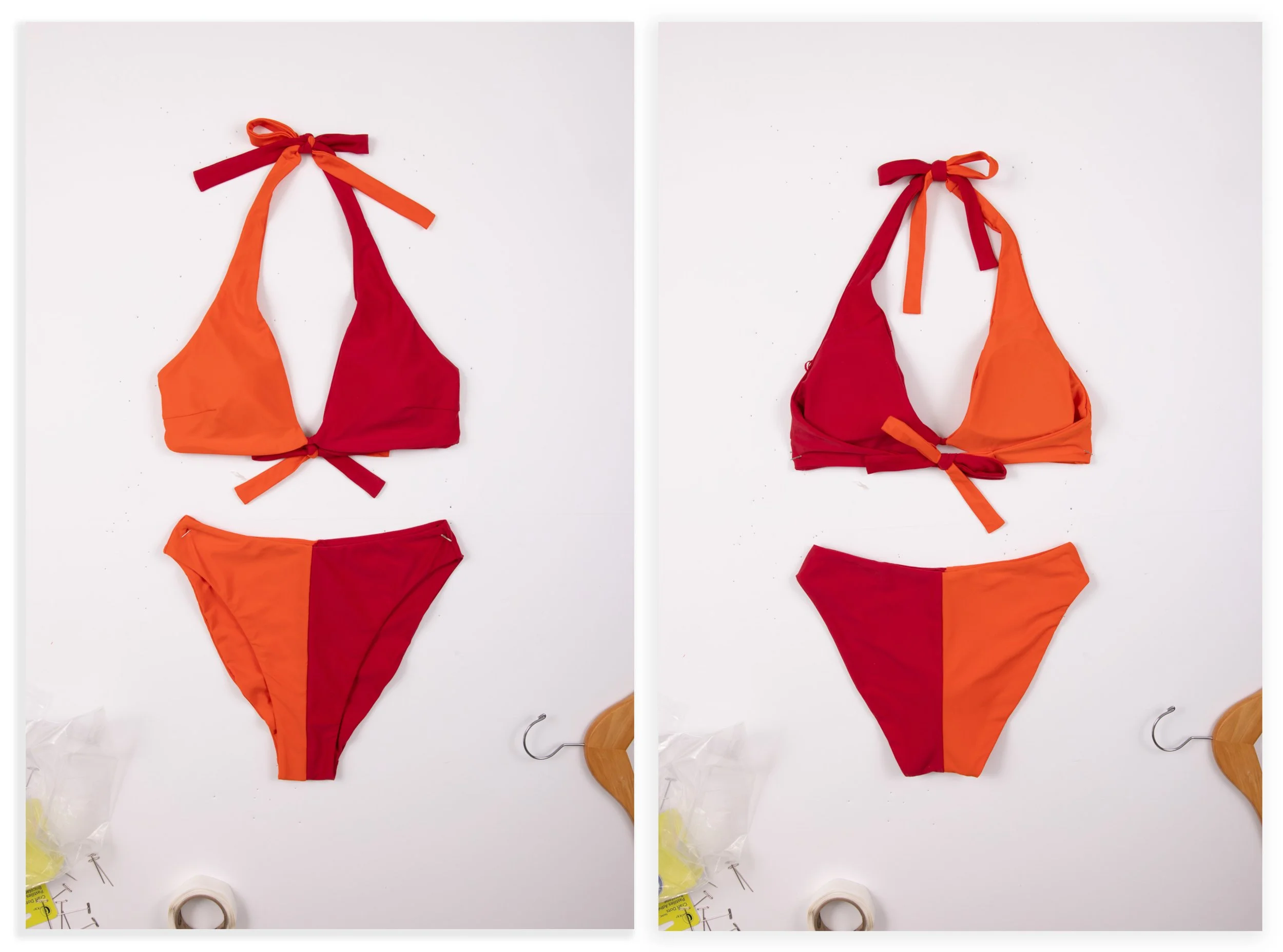

Swimwear doesn’t naturally want to lie flat. The fabrics are built around stretch and tension, meant to wrap around curves and hold shape through movement. As soon as it’s placed on a surface, everything relaxes. Straps twist, edges curl inward, and silhouettes lose the energy they had on a model or ghost mannequin. What looks structured in person suddenly feels deflated through the camera.
A lot of the shoot ends up being quiet adjustments. Moving a strap a few millimeters. Rotating a seam so it reads correctly from camera angle. Pulling fabric just enough to suggest shape without forcing it. It becomes a slow process of convincing the garment to remember how it’s supposed to look. Lighting helps, but even the best setup can only do so much when the subject has no physical form supporting it.
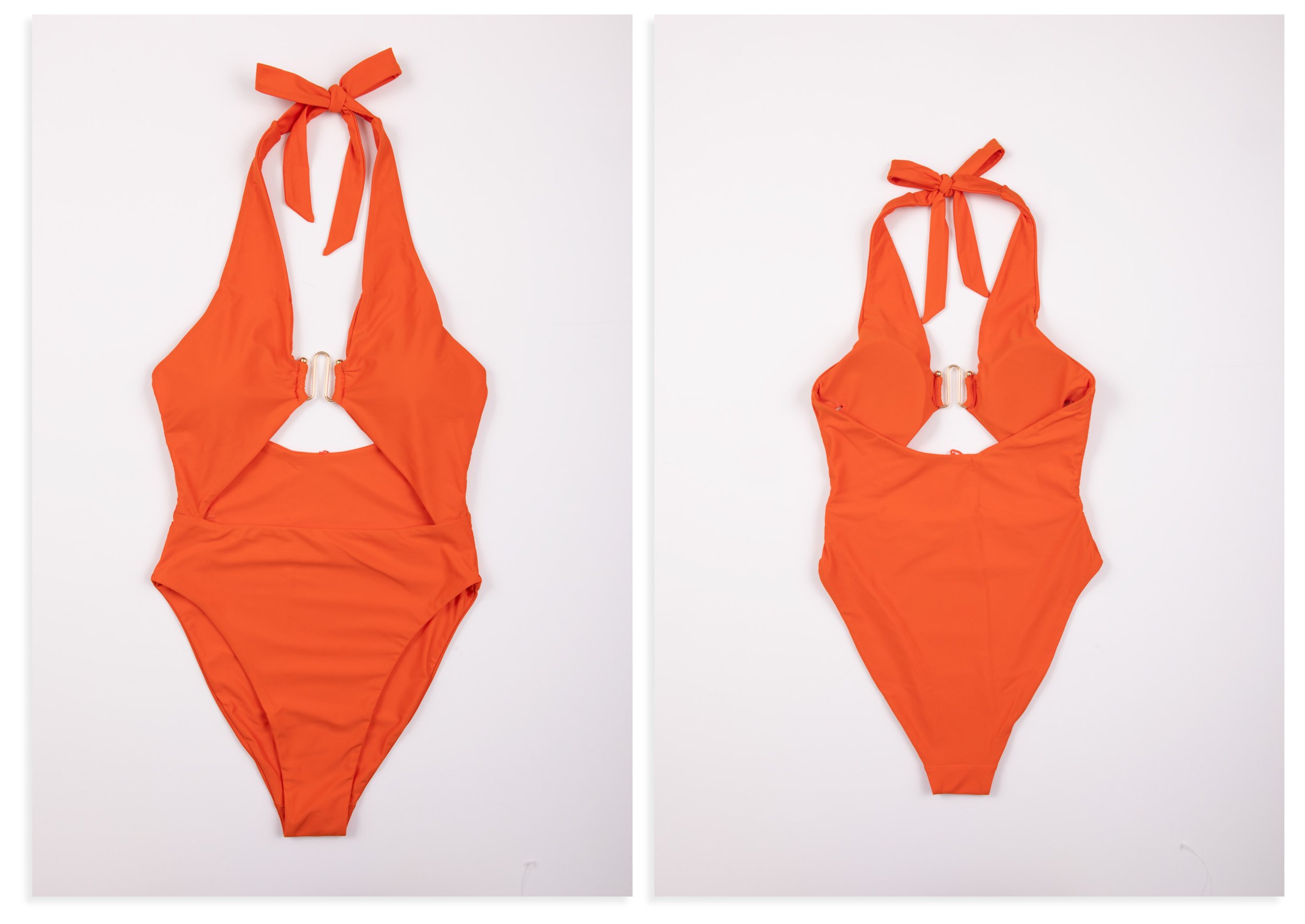
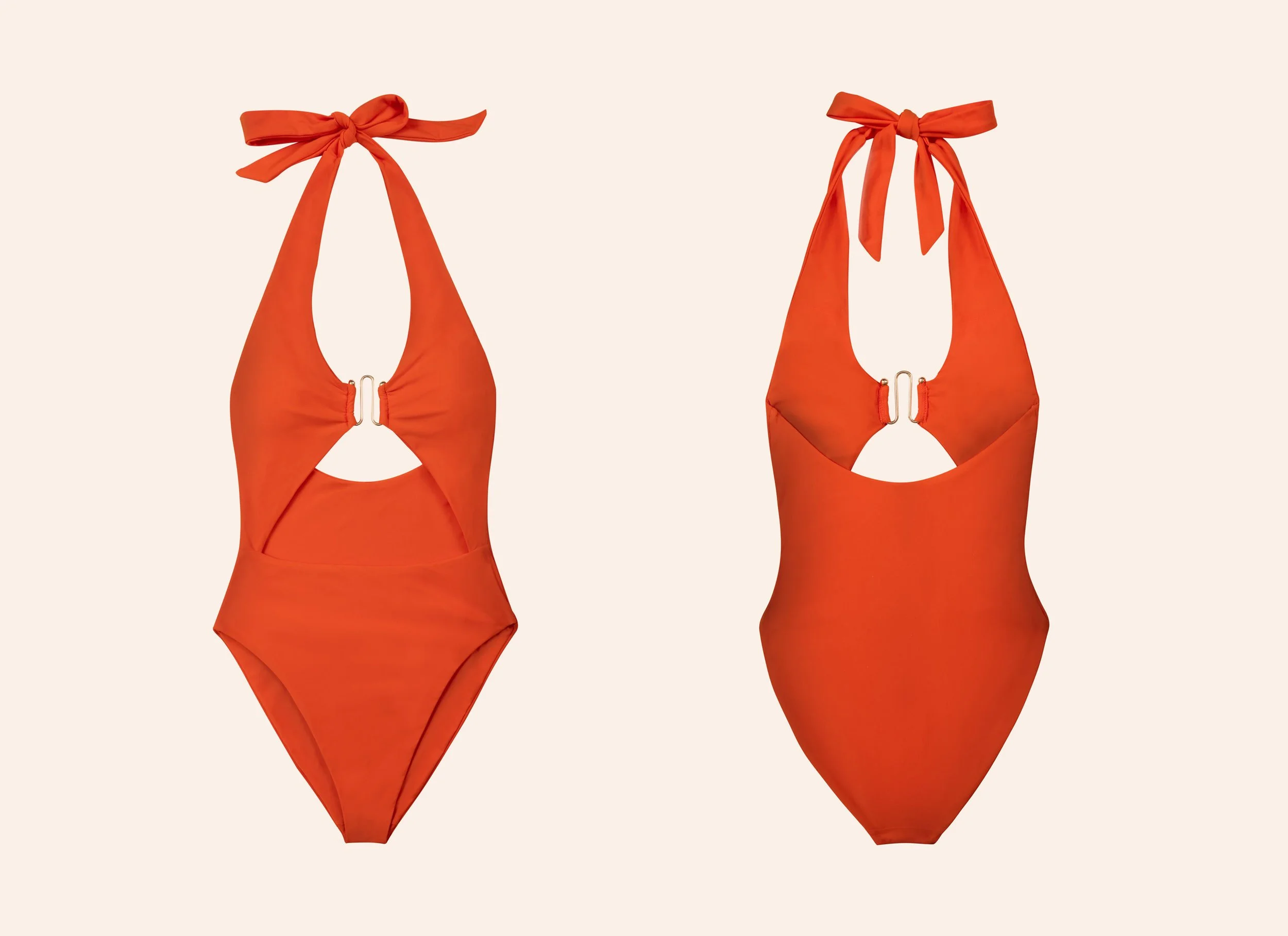
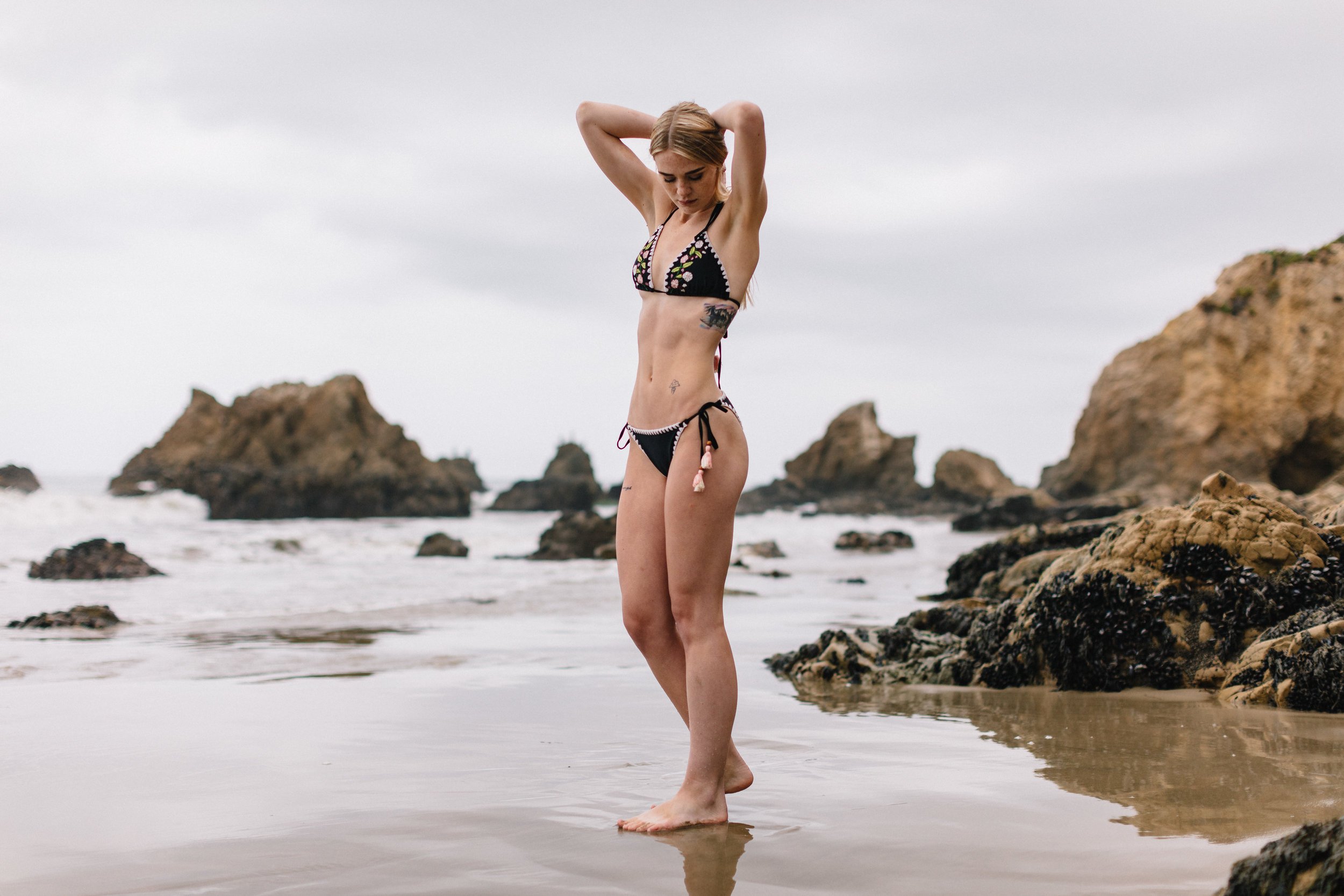
I often think about how different the same piece feels when photographed on a ghost mannequin. The shape exists naturally — light falls into place, shadows describe curves, and the garment explains itself. Flats remove that advantage, which means the photographer has to rebuild that sense of dimension through small decisions instead of relying on structure.
By the time the images move into Photoshop, the work doesn’t feel like fixing mistakes. It feels like continuing the conversation started on set. Subtle reshaping brings tension back into the fabric. Symmetry adjustments correct how gravity shifted things during styling. Shadow and highlight work help reintroduce depth that disappeared once the garment was laid down. The goal isn’t to change the product, only to guide the image closer to how the swimwear actually exists when worn.
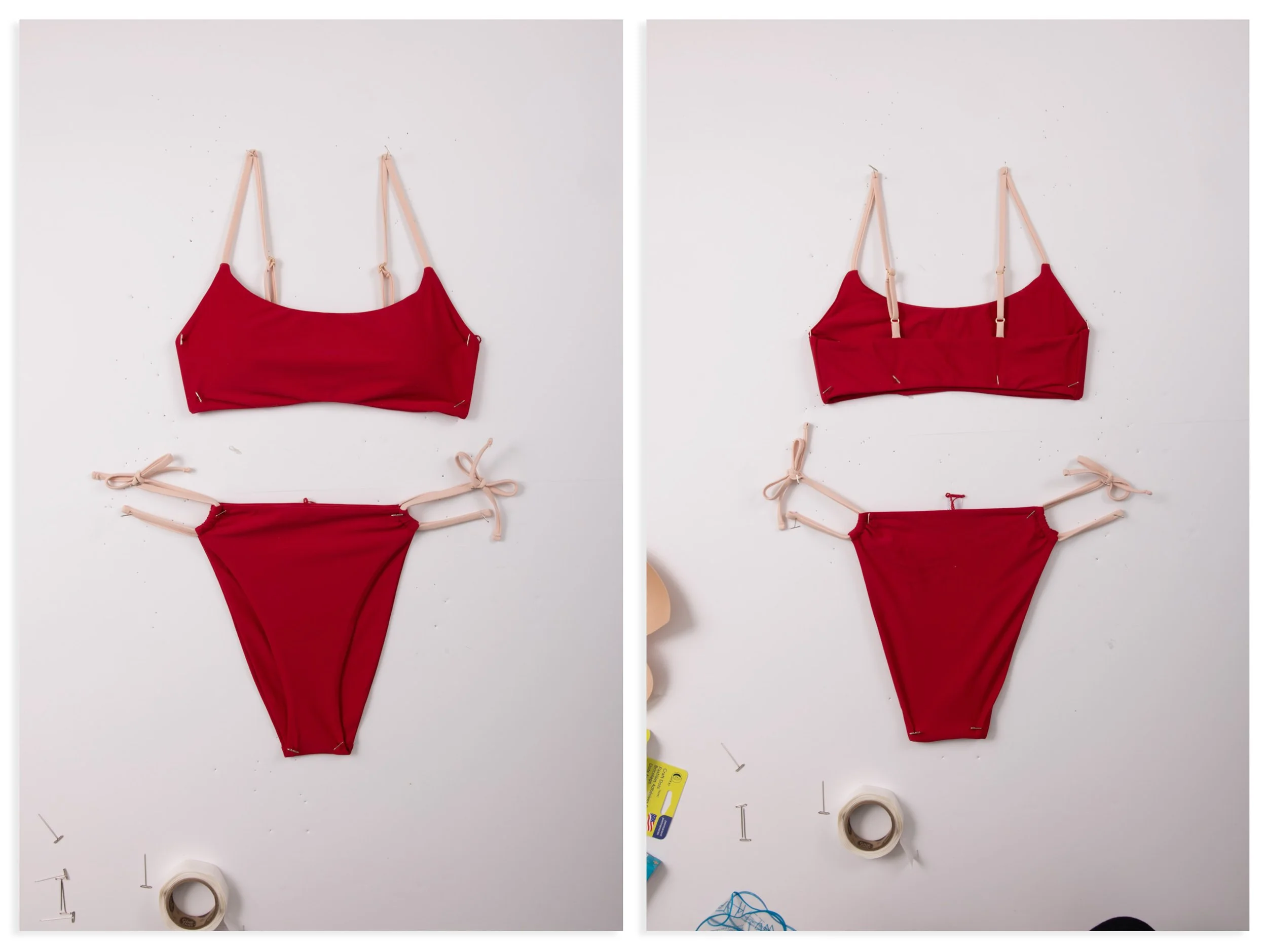
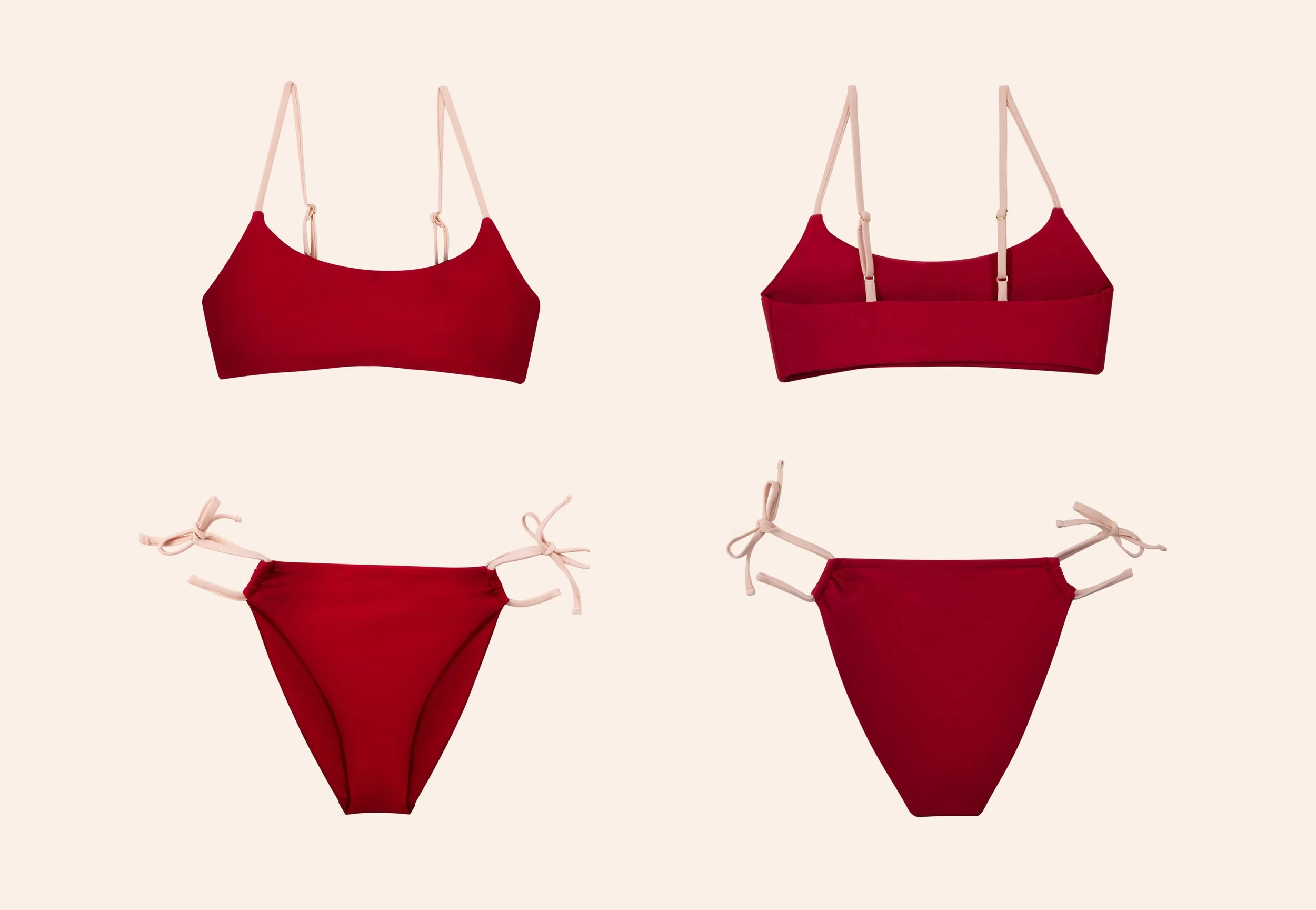
There’s always a moment near the end of editing where the image finally clicks — when the piece stops looking like fabric on a table and starts looking like a garment again. That transition is subtle, almost invisible, but it’s what makes the difference between a flat lay that feels technical and one that feels believable.
What I’ve learned from shooting swimwear flats is that the process lives somewhere between photography and problem-solving. The final image may look clean and effortless on a website, but behind it are hours of styling, small corrections, and careful restraint. It’s less about perfection and more about translation — taking something designed for motion and shaping it into a still image that still carries a sense of life.